
C-Channel Steel: Top Benefits of Using in Construction
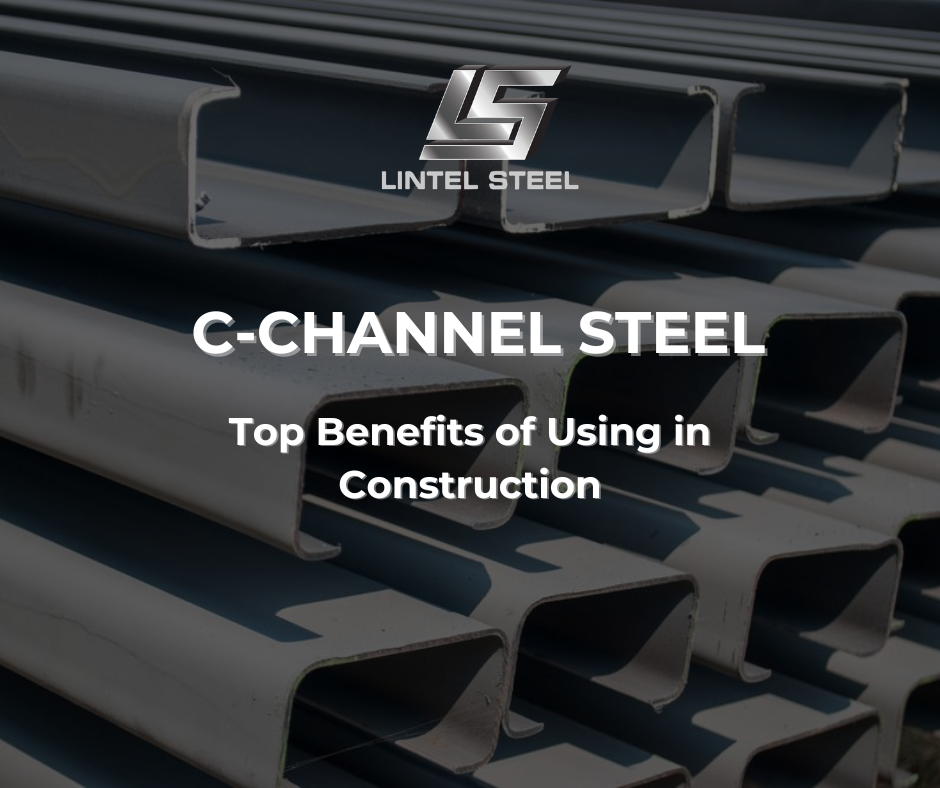
In modern construction, structural stability and load-bearing capacity are critical factors in determining a building’s durability and safety. One of the most widely used structural components for achieving these goals is C-Channel Steel. Known for its “C”-shaped cross-section, this steel profile provides exceptional strength, versatility, and cost-efficiency across residential, commercial, and industrial projects.
Whether used in steel framing, roof supports, bridges, warehouses, or infrastructure systems, C-channel steel significantly enhances structural integrity while reducing material waste and installation time. This article explores how C-channel steel improves structural strength in construction and why it remains a preferred choice among engineers and builders
What is C-Channel Steel?
C-channel steel, also called a steel channel or channel beam, is a type of structural steel shaped like the letter “C.” It consists of:
Channel beam profiles consist of three main parts: the body, two wings, and the edge. The body serves as the primary load-bearing component and connects the two steel wings. The two steel wings open to form a C shape. This design enhances the rigidity and load-bearing capacity of the profile, enabling it to withstand heavy loads and resist bending forces, limiting deformation under mechanical stress.
Thanks to its balanced strength-to-weight ratio, this material has become a cornerstone across multiple industries, finding widespread application in both construction and engineering. In modern architecture, it serves as the backbone for building frameworks, resilient roofing systems, and sturdy wall supports. Beyond commercial and residential construction, its structural integrity makes it equally essential for heavy-duty machinery structures and vital transportation infrastructure, where durability and efficiency are paramount.
Common types of C-Channel Steel
Black C-Channel Steel
This is a basic type of C-beam steel with iron and carbon as its main components. It has a dark oxide layer created during the manufacturing process. Due to the lack of a protective coating, black steel is susceptible to rust and has an average lifespan of about 30 years under natural conditions. However, the load-bearing capacity and durability of black C-beam steel are still guaranteed. This type of steel is often used in indoor construction or in areas with stable weather conditions, limiting exposure to moisture and corrosion.
Key features:
- High structural strength
- Cost-effective solution
- Easy to weld and machine
- Suitable for dry indoor environments
Because it lacks a protective zinc coating, black C-beam steel may require painting or anti-rust treatment to ensure long-term durability in humid environments.
Galvanized C-Channel Steel
Galvanized C-channel beam is coated with a protective layer of zinc to enhance corrosion resistance. The galvanizing process protects the steel from rust, moisture, and harsh weather conditions, making it ideal for outdoor applications and high-humidity environments.
After manufacturing and shaping, the C-channel beam is galvanized using a modern hot-dip galvanizing system. This process enhances oxidation resistance and corrosion resistance and extends lifespan.
Key Features:
- Excellent Corrosion Resistance
- Longer Lifespan
- Reduced Maintenance Costs
- High Performance in Outdoor Environments
Galvanized C-channel beams are widely preferred in modern construction, coastal projects, or chemical storage facilities due to its high corrosion resistance, with an average service life of 50 to 70 years.
Hot-rolled/cold-rolled C-Channel Steel
Hot-rolled/cold-rolled steel differs from the above in the manufacturing process and surface hardness.
Hot-rolled steel typically has a rough surface and is produced at high temperatures, making it easy to form into large structural cross-sections.
Key Features:
- High load-bearing capacity
- Better performance for heavy-duty structures
- Suitable for large construction projects
Cold-rolled steel is produced at room temperature, resulting in a smoother surface and more precise dimensions. It is often used in projects requiring high precision, aesthetics, and reduced structural weight.
Key Features:
- Higher dimensional accuracy
- Smooth surface
- Lightweight yet durable
- Easy to install
Key characteristics and benefits of C-Channel Steel
High Load-Bearing Capacity
If you are looking for exceptional load-bearing capacity, C-channel steel is an ideal choice. Its smart design distributes weight evenly across the structure, greatly enhancing its overall strength. This allows it to easily support vertical loads, resist bending under pressure, and stay perfectly stable over long spans. In fact, compared to traditional materials like wood or aluminum, channel steel can handle much heavier loads while keeping its structural integrity completely intact.
This makes them ideal for:
- Multi-story buildings
- Industrial factories
- Bridges and platforms
- Heavy-duty support systems
Superior Resistance to Bending and Flexing
Modern structures face a constant barrage of dynamic forces, from high wind pressure and seismic movement to equipment vibration and heavy traffic.
To counter these challenges, the geometric design of C-channel steel is engineered to maximize resistance against bending and twisting. By utilizing a vertical web to absorb shear stress and flanges to add rigidity, this profile ensures that reinforced structures experience drastically reduced deflection and enhanced stability. This not only lowers the risk of structural failure but also extends the overall lifespan of the building.
This level of reliability is particularly vital in industrial facilities and large-span roofing systems, where maintaining structural integrity is paramount to safety.
Enhanced Structural Stability
C-channel steel contributes to overall structural stability by acting as a reinforcement component within construction frameworks.
It is frequently used for:
- Wall bracing
- Floor joists
- Roof purlins
- Frame reinforcement
Its ability to interconnect with other steel members creates a stronger and more rigid framework capable of resisting external forces. In areas prone to earthquakes or severe winds, these steel channel systems provide critical support—helping buildings stay aligned, absorbing vibrations, and improving resistance to lateral forces.
By integrating this added stability into a project, developers can guarantee greater safety for occupants and enjoy significant savings on long-term maintenance.
Lightweight Yet Strong Design
Despite its high strength, C-channel steel remains relatively lightweight compared to solid steel sections, offering significant structural and logistical advantages.
This optimal strength-to-weight ratio ensures easier transportation, faster on-site installation, and reduced overall construction labor costs. Furthermore, because the material minimizes the dead load on the building’s foundation, engineers can maximize structural efficiency without overloading the substructure, making it a highly cost-effective choice for modern framing.
This lightweight design is particularly beneficial in:
- Prefabricated construction
- Modular buildings
- Warehouse structures
- Temporary infrastructure systems
Improved Durability and Longevity
C-channel steel delivers exceptional lasting performance because it resists the everyday hazards that destroy other materials, such as cracking, warping, shrinking, and pest damage. Because it won’t rot, twist, or decay over time, this resilient profile guarantees that your structure stays straight, strong, and secure for decades, giving builders and property owners ultimate peace of mind.
When galvanized or coated, it also provides superior corrosion resistance, making it suitable for:
- Outdoor structures
- Coastal environments
- Industrial facilities
- Humid climates
The extended lifespan of steel channels helps reduce repair and replacement costs throughout the building lifecycle.
Efficient Weight Distribution
Proper load distribution is essential for structural safety. The cross-sectional design of C-channel steel allows forces to transfer efficiently throughout the framework. This mechanism minimizes stress concentration, balances support systems, and prevents uneven structural settlement.
As a result, buildings constructed with steel channel systems often demonstrate:
- Greater structural consistency
- Better performance under heavy loads
- Improved safety margins
Cost-Effective Structural Performance
While C-channel steel might require a higher initial investment compared to traditional materials, it delivers unmatched long-term value. By drastically reducing maintenance costs and the frequency of unexpected repairs, it saves property owners money year after year. Additionally, its ease of assembly leads to faster construction timelines – getting your project completed ahead of schedule – while its incredibly long service life ensures your structure remains strong and secure for decades to come.
Because of its durability and structural efficiency, builders often achieve better return on investment when using steel channel systems.
Sustainability and Modern Construction
Modern construction increasingly focuses on sustainable materials. C-channel steel supports environmentally responsible building practices because it is:
- Recyclable
- Reusable
- Energy-efficient in prefabrication systems
Its durability also reduces material waste generated from repairs and reconstruction.
Many green building projects choose steel channel systems to improve both structural strength and sustainability performance.
Common applications of C-Channel Steel
C-shaped steel is widely used in the construction and industrial sectors.
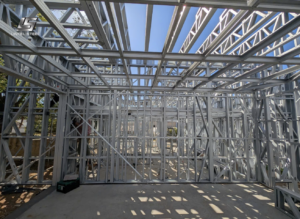
Specifically, C-shaped steel is used to create structural frames for construction projects such as residential buildings, factories, and industrial structures. C-shaped steel is used to make steel trusses for factories, industrial buildings, and other structures requiring load-bearing steel structures.
In the construction industry, C-shaped steel is often used as purlins to create structural elements for cast-in-place floors and suspension systems in buildings.
C-shaped steel is also used in the construction of prefabricated houses, where components are manufactured in advance at the factory and assembled on-site, increasing construction speed and saving costs.
Choose Lintel Steel for Superior Steel Solutions
Understanding the top benefits of C-Channel Steel helps you choose the right material, ensuring safety and efficiency for your project.
At Lintel Steel, we offer premium-grade steel solutions for many applications across Perth and Western Australia. With over 11 years of industry experience, we deliver reliable products that meet strict engineering standards.
We also provide expert advice to help you select the best materials for your needs. Our team offers custom sizes, prompt delivery, and free quotes within 48 hours, helping you complete your project with confidence and precision.
Choose Lintel Steel – your trusted partner for galvanized products, strong and superior steel solutions.
Click here to get a quote and quantity takeoff for free at Lintel Steel.
You can find out more about us at our Fanpage Lintel Steel.


