
Universal Beam: Strength and Versatility in Structural Steel

A universal beam (UB) features a distinct “I” shape with a central vertical web and two horizontal flanges. This design gives it exceptional bending resistance while keeping weight to a minimum. The result is a high-strength, cost-efficient solution that can support heavy loads over long spans — making it ideal for both residential and large-scale commercial projects.
Whether you are constructing a steel frame warehouse, a bridge span, or a residential mezzanine floor, understanding what a universal beam is and how it differs from other steel sections is essential for safe and efficient design.
What Is a Universal Beam?
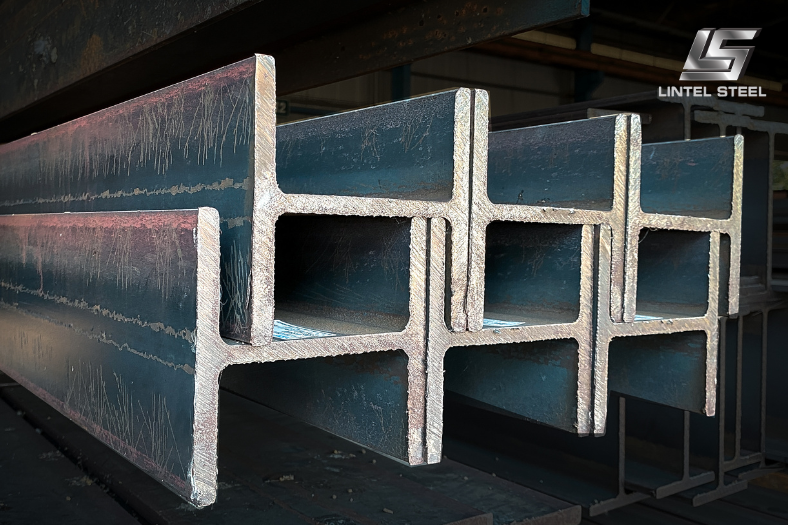
A universal beam (UB), often known as an I-beam or H-beam, is a structural steel section widely used in construction and engineering projects. It gets its name from its “I” or “H” shape, featuring a central vertical web and two horizontal flanges. This design provides superior strength and load-bearing capacity while keeping the weight efficient.
Universal beams are typically manufactured from high-quality structural steel and come in a range of sizes and weights to suit various applications — from residential framing to large-scale commercial buildings and infrastructure projects.
Why Universal Beams Are So Popular
The popularity of the universal beam in the construction industry comes from its ability to combine strength, durability, and design flexibility. Its shape distributes load efficiently, allowing builders and engineers to span longer distances with fewer intermediate supports. This makes universal beams ideal for open-plan designs, mezzanine floors, bridges, and other applications requiring structural rigidity without excessive material use.
Beyond just strength, universal beams are also easy to fabricate and integrate into different construction systems. They can be cut, drilled, and welded to meet project-specific requirements, which is why they’re frequently used in both traditional steel-frame and prefabricated building systems.
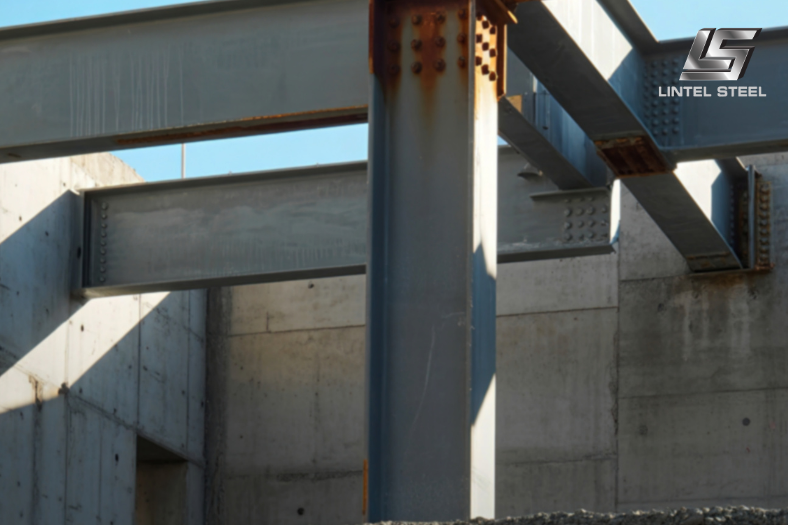
Moreover, their compatibility with protective coatings — such as hot-dip galvanising, powder coating, or primer painting — makes them suitable for both indoor and outdoor environments. Whether used in exposed exterior frameworks or hidden internal structures, universal beams deliver consistent performance over time.
Key Benefits of Universal Beams
1. Superior Strength-to-Weight Ratio
The universal beam’s design provides excellent load-bearing strength while using less material than many alternative shapes. This efficiency reduces structural weight, transportation costs, and material waste — all without compromising stability.
2. Versatile Applications
Universal beams are highly adaptable and can be used for:
- Main structural beams and columns
- Floor joists and mezzanine supports
- Bridge frameworks and overpasses
- Prefabricated steel buildings
- Roof trusses and framing systems
3. Easy Fabrication and Installation
Their standardised shapes and sizes make universal beams simple to cut, weld, and connect using common fittings and fasteners. This ensures faster assembly and reduces labour time on-site.
4. Long-Term Durability
When treated or galvanised, universal beams are highly resistant to corrosion and deformation. They maintain structural integrity even in demanding environments, such as coastal or industrial zones.
5. Cost Efficiency
Standard availability, efficient strength, and low maintenance requirements make universal
Common Applications of Universal Beams
Universal beams are essential across many sectors of construction and engineering, including:
- Residential and commercial buildings – support beams, floor joists, and frames.
- Industrial structures – warehouses, factories, and workshops.
- Bridges and infrastructure projects – for strength and load distribution.
- Prefab and modular buildings – lightweight yet strong structural support.
Wherever strong and stable support is required, universal beams provide the backbone of the structure.
Universal Beam vs. Universal Column
Although universal beams (UBs) and universal columns (UCs) may look similar at first glance, they are designed with different proportions and serve distinct structural functions. Understanding the difference between the two is essential when selecting steel sections for your project — as the wrong choice can compromise both safety and cost efficiency.
Structural Design Difference
A universal beam is characterised by its wide flanges and a relatively shallow web. This configuration gives it excellent bending resistance, especially in horizontal applications where loads act across the length of the beam — such as floor systems, roof frames, and bridges. The wider flanges allow the universal beam to spread loads more evenly, preventing deflection and maintaining structural stability.
In contrast, a universal column features almost equal flange and web dimensions. This makes it ideal for supporting vertical loads in columns, posts, and upright frameworks. The symmetrical design ensures that the load is distributed evenly in both directions, allowing universal columns to handle high compressive forces without buckling.
Typical Applications
Universal Beams (UBs):
Horizontal load-bearing members in floors, ceilings, and roof structures.
Primary and secondary beams in residential, commercial, and industrial buildings.
Bridge spans and long structural frameworks where strength-to-weight ratio is crucial.
Support beams in modular and prefabricated construction.
Universal Columns (UCs):
Vertical supports in building frameworks.
Piers and posts that transfer loads from beams and slabs down to the foundations.
Structural cores and frames in high-rise buildings.
Support legs in industrial platforms, mezzanines, and towers.
Load-Bearing Characteristics
The universal beam excels in bending strength — it resists sagging and flexing when forces act across its length. This is why it’s often placed horizontally to carry loads between supports. On the other hand, the universal column is designed to resist axial compression, meaning it supports vertical loads from above and transfers them safely to the ground.
In many construction projects, both UBs and UCs work together. Beams span horizontally between columns, while columns carry the load vertically to the foundations. This combination creates a rigid and stable steel framework capable of supporting heavy loads in all directions.
Size and Dimension Variations
Universal beams generally have larger flange widths relative to their depth, while universal columns are more square in proportion. For example:
- A UB might have a size designation of 200UB25, meaning a depth of around 200 mm and a mass of 25 kg/m.
- A UC might have a size designation of 200UC46, indicating a similar height but heavier weight per metre due to thicker flanges and web.
This dimensional difference directly affects how each section performs under specific load conditions. Engineers choose the right section by calculating bending moments, shear forces, and compressive stresses according to the design standards (such as AS/NZS 3679.1 for Australia).
Surface Finishes and Treatment Options
Both universal beams and columns can be supplied in various finishes, including hot-dip galvanised, primed, or black steel conditions. For outdoor or coastal environments, galvanising is strongly recommended, as it offers long-term corrosion protection and reduces maintenance requirements.
Summary: Choosing the Right Section
When designing a steel structure, the distinction between a universal beam and a universal column is crucial:
- Choose a universal beam (UB) for horizontal strength and load distribution.
- Choose a universal column (UC) for vertical strength and compressive load support.
Using the correct steel section ensures your structure performs safely, efficiently, and economically — meeting both design and durability requirements. For most construction frameworks, these two members are used together, forming the backbone of strong, reliable steel structures.
Finishes and Treatments for Universal Beams
Depending on project requirements and exposure conditions, universal beams can be supplied in different surface finishes:
- Hot-dip galvanised universal beams for corrosion resistance.
- Primed or painted beams for ready-to-install solutions.
- Untreated black steel beams for indoor or fabrication use.
These options ensure that your universal beams perform reliably, whether in coastal environments, industrial settings, or general construction.
Final Thoughts
The universal beam remains one of the most trusted components in construction — valued for its strength, versatility, and efficiency. Whether you’re building a small shed or a multi-storey structure, choosing the right size and finish of universal beam ensures long-term stability and safety.
If you’re sourcing universal beams in Perth or Western Australia, contact Lintel Steel to get expert advice, competitive pricing, and quality steel products that meet Australian Standards.
You can find out more about us at our Fanpage Lintel Steel.


